Opening a Pool in Texas in 2026 That’s Been Neglected for Years
A pool that’s been sitting untouched for a year or more isn’t just dirty. It’s a potential health hazard, a structural liability, and a breeding ground for mosquitoes. In Texas, where heat and humidity accelerate every one of those problems, reopening a neglected pool takes more than dumping in chlorine and hoping for the best.
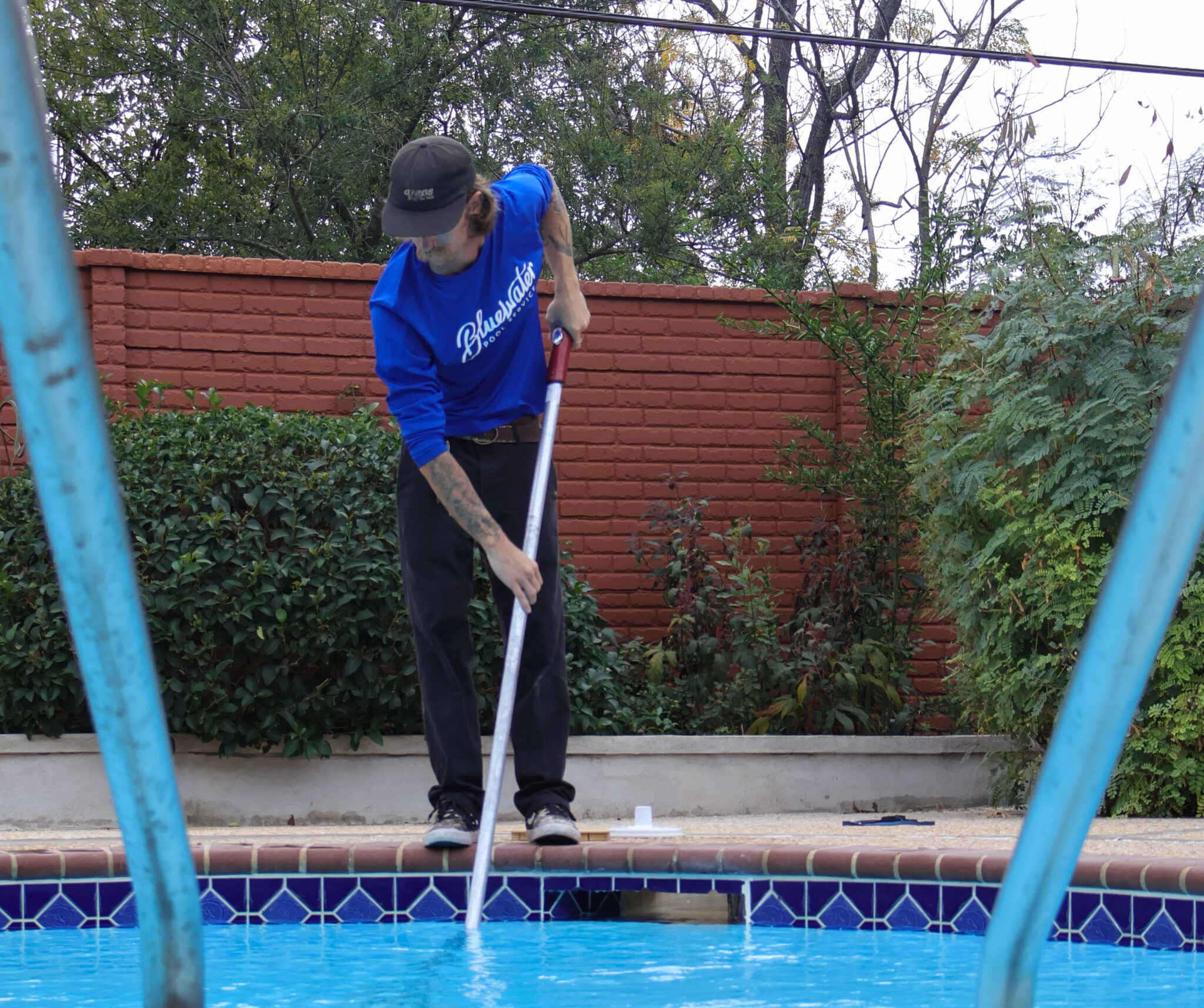
At Bluewater Pools, we handle green-to-clean pool recoveries across the San Antonio and Austin metro areas, and neglected pools are some of the most common jobs we get called out for. The process is straightforward when you follow the right steps in the right order. This guide walks through exactly how to bring a long-neglected Texas pool back to safe, swimmable condition.
Why You Can’t Just Refill and Shock a Neglected Pool
It’s tempting to fill the pool back up, throw in some shock, and call it done. But a pool that’s been sitting for years has problems that chemicals alone won’t fix.
Stagnant water breeds mosquitoes fast. The City of Arlington, TX warns that mosquitoes can develop in any standing water left undisturbed for more than three or four days, and those mosquitoes can carry West Nile virus. Beyond pests, you’re likely dealing with structural degradation, failed seals in pump equipment, clogged or corroded plumbing, and potentially cracked surfaces hidden under layers of algae and debris.
Skipping the inspection and mechanical steps means you could be pumping water through a compromised system, or worse, damaging equipment that would have been salvageable with proper care.
Step 1: Remove All Debris
Before anything else, get the solid material out of the pool. Leaves, branches, dirt, dead animals, whatever has accumulated needs to go.
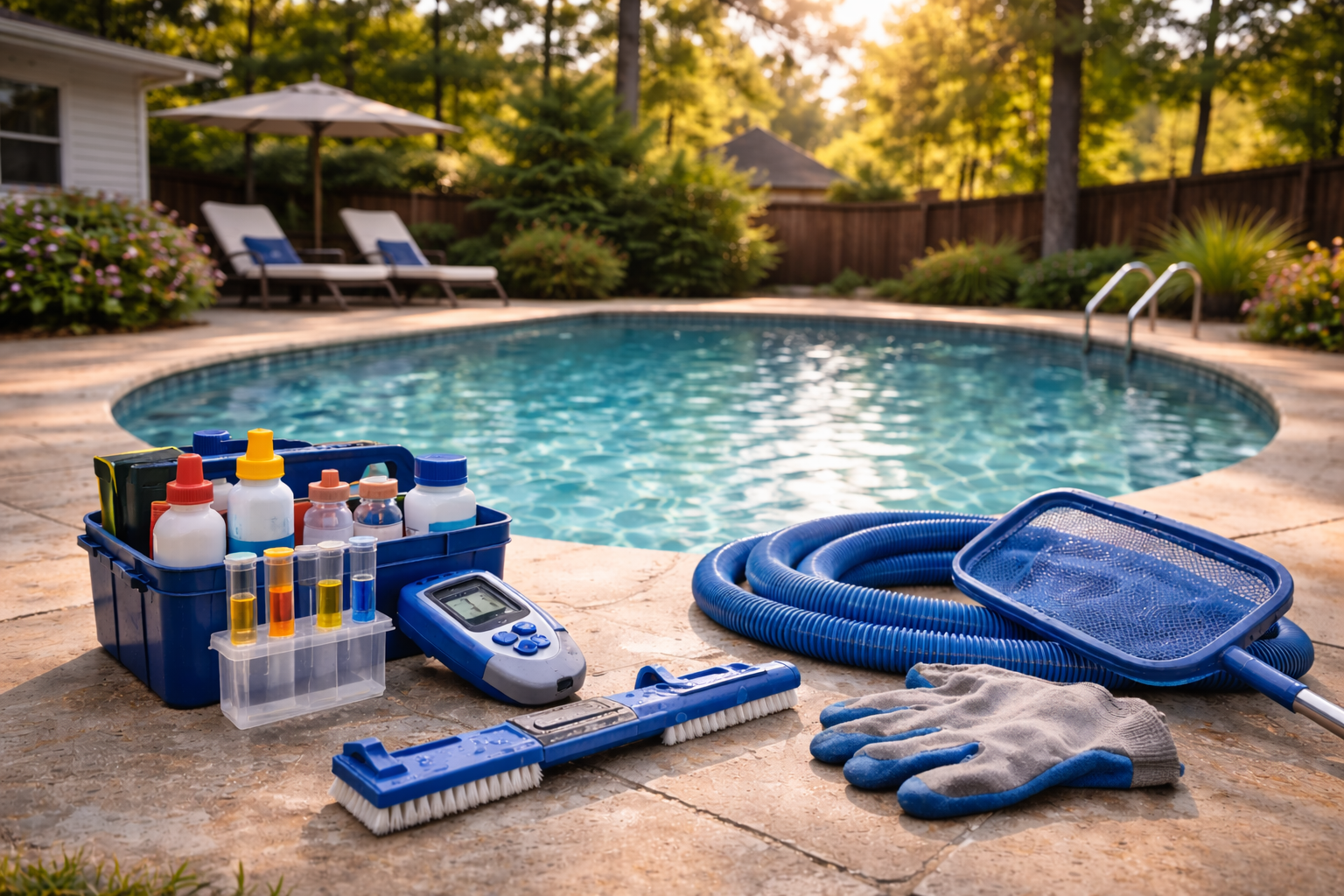
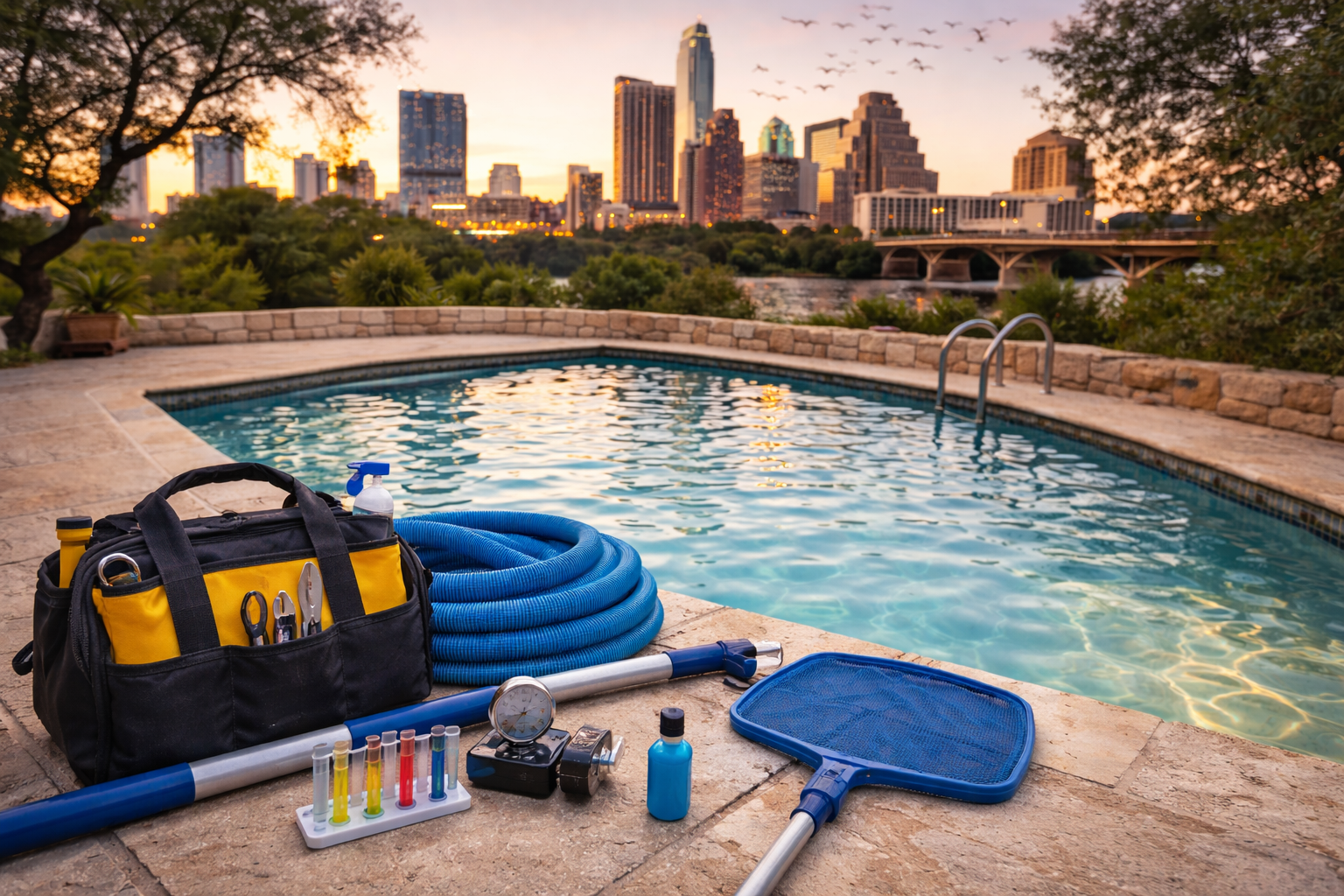
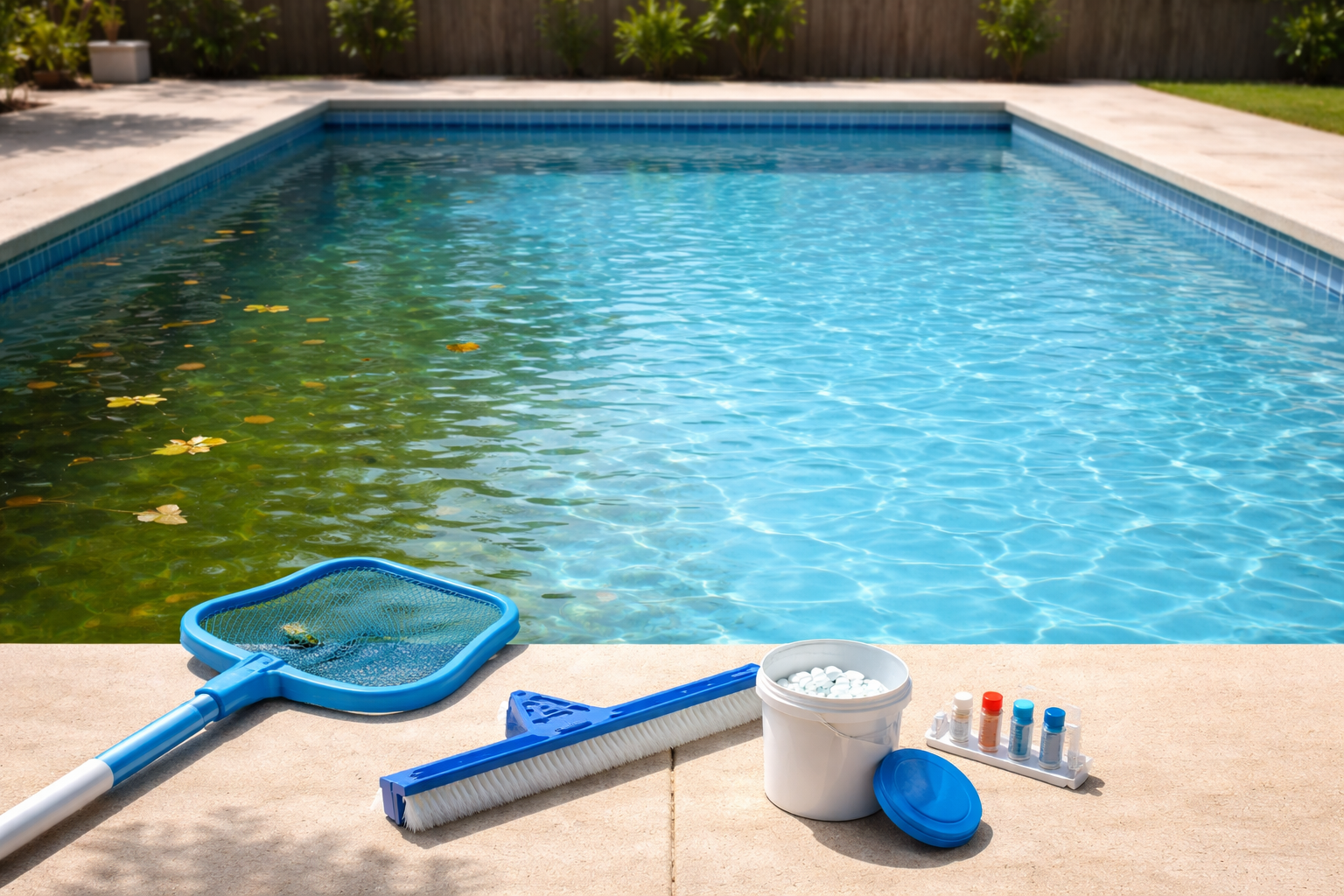
Use a heavy-duty leaf rake or skimmer net for surface debris, and a manual vacuum for material that’s settled on the bottom. Pentair recommends removing as much debris as possible before running any equipment, because organic material will clog your filtration system immediately if you skip this step.
For pools with years of buildup, this stage alone can take a full day.
Step 2: Drain the Pool and Inspect for Damage
Once the bulk debris is out, drain the pool completely so you can see every surface. This is where you find out what you’re actually working with: cracks in the plaster, rust stains around fittings, deteriorated tile, failed caulking around lights, or evidence of leaks.
Watch Out for Hydrostatic Pressure
This is a Texas-specific concern that catches a lot of homeowners off guard. Most in-ground pools built in Texas after 1999 include a hydrostatic relief valve at the bottom of the pool. Its job is to equalize groundwater pressure so the empty pool shell doesn’t get pushed upward out of the ground.
Before draining, confirm your hydrostatic relief valve is functional. According to Texas building code, these valves are required specifically to prevent groundwater from displacing or damaging the pool shell. If you’re unsure about the valve’s condition, drain after a stretch of dry weather when the water table is lower, and consider having a professional check it first.
Step 3: Clean or Replace Your Filtration System
A filter that’s been sitting idle for years likely has degraded media, cracked housings, or failed gaskets. The type of filter determines what you’re dealing with:
Filter Type | Particle Filtration | Maintenance After Long Neglect |
Sand | ~20-30 microns | Backwash thoroughly. Replace sand if channeled or compacted. |
Cartridge | ~8-12 microns | Remove and inspect cartridge. Replace if cracked, flattened, or discolored. |
DE (Diatomaceous Earth) | ~1-5 microns | Disassemble grids, clean or replace, and recoat with fresh DE powder. |
Sand filters are the simplest to restore since backwashing usually gets them running again, though compacted sand may need full replacement. Cartridge filters require hands-on inspection of the pleated element. DE filters demand the most work: full teardown, grid scrubbing, and fresh DE powder.
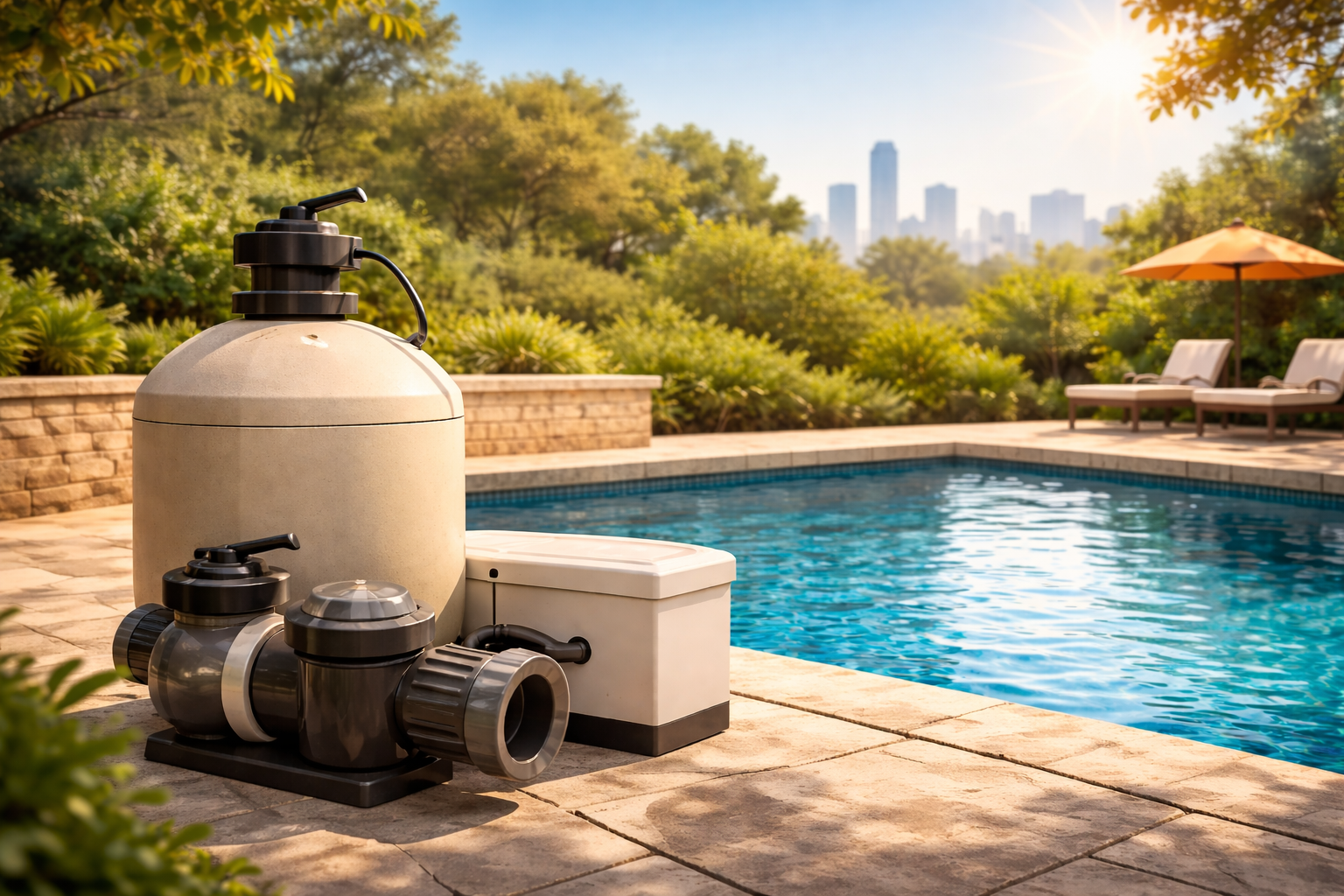
Beyond the filter itself, inspect your pump, heater, and all plumbing connections. Pentair notes that equipment left idle for extended periods may need to be replaced entirely due to failed seals, corrosion, or motor damage.
Step 4: Scrub Every Surface
With the pool drained and equipment sorted out, scrub all walls, floors, steps, and ledges. A stiff pool brush removes the layer of grime and algae that’s bonded to the surface over time. This step has a direct impact on water clarity once you refill. Skipping it means dead algae and biofilm will cloud the water and make chemical treatment less effective.
Pay extra attention to corners, around fittings, and along the waterline where buildup tends to be heaviest.
Step 5: Refill and Shock the Water
Once the pool is clean, the equipment is functional, and any repairs are complete, refill with fresh water and begin chemical treatment.
Initial Chlorine Shock
For a pool that’s been stagnant for years, a standard shock dose isn’t enough. AQUA Magazine notes that hyperchlorination raises free chlorine to 20-40 ppm to kill algae spores, bacteria, and biofilm that survived on surfaces.
During this process:
- Run the pump continuously, 24 hours a day
- Brush the pool surfaces daily to break up algae
- Backwash or clean your filter frequently as it catches dead algae (clogged filters are the most common issue during shock treatment)
Balancing Chemistry After Shock
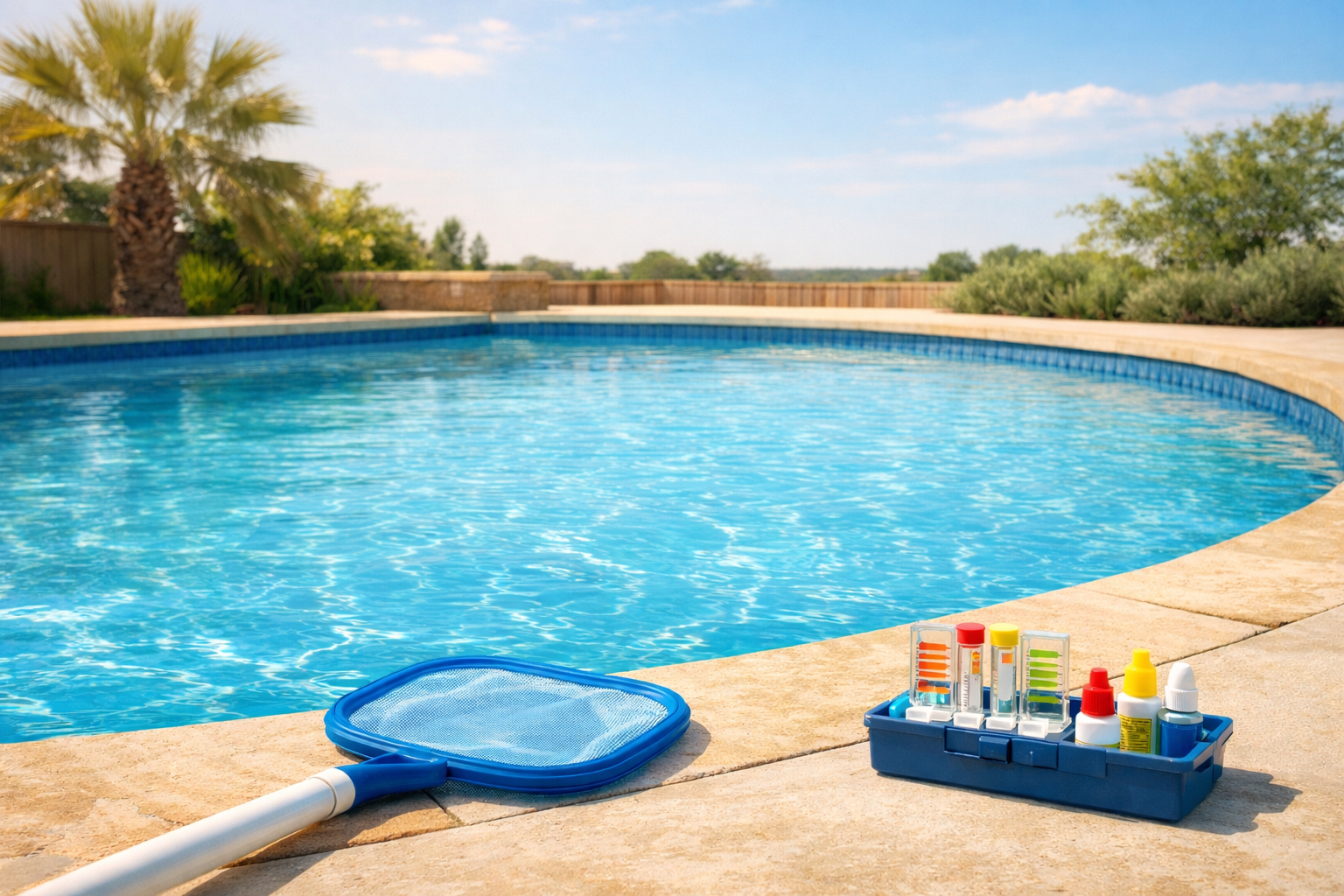
After 1-2 days, once the water clears and chlorine levels start dropping, test and balance:
Parameter | Target Range |
pH | 7.2 - 7.6 |
Total Alkalinity | 80 - 120 ppm |
Free Chlorine | 2 - 4 ppm |
If cyanuric acid (CYA) reads high from old stabilizer buildup, you may need to partially drain and refill to dilute it. Elevated CYA reduces chlorine’s effectiveness, which defeats the purpose of ongoing treatment.
At Bluewater Pools, we use computerized electronic testing that goes well beyond basic pH and chlorine strips. Our quarterly advanced testing covers the full chemical profile, which is especially important for a pool coming back online after years of neglect.
Texas-Specific Issues to Plan For
Mosquito Risks
This bears repeating: a neglected pool becomes a mosquito breeding site within days of stagnation. If the pool still has standing water when you start this process, treat it with larvicide or drain it as quickly as possible. Refilling and chlorinating promptly breaks the mosquito life cycle.
Evaporation and Water Conservation
Texas heat causes significant evaporation, and regional drought conditions make water conservation important. The Lower Colorado River Authority has stressed the importance of reducing pool water loss, and the EPA estimates pool covers can reduce evaporation by up to 95%.
Once you’ve refilled, cover the pool when it’s not in use. Fix any visible leaks before filling, and backwash only as needed rather than on a set schedule.
Local Code and Inspection Requirements
If your pool needs replastering, electrical work, or major structural repairs, check with your local municipality. Some jurisdictions require a certified inspection of electrical systems, plumbing, and safety fencing before the pool can be used, especially if it’s been out of service for an extended period.
When to Call a Professional
You can handle some of this work yourself, but there are a few situations where professional help is worth the investment:
- Structural cracks or suspected leaks. Leak detection requires specialized equipment and is best handled by a pool repair professional.
- Electrical or gas line concerns. If your heater, lighting, or pump wiring has been exposed to the elements, have a licensed technician inspect it before powering anything on.
- Uncertain equipment condition. If you’re not sure whether your pump, filter, or plumbing is salvageable, a trained technician can diagnose what needs replacement versus what can be restored.
- You just want it done right. A full pool recovery from green-to-clean involves multiple steps over several days. A professional team can compress the timeline and make sure nothing gets missed.
Our technicians at Bluewater Pools hold Certified Pool Operator (CPO), Certified Maintenance Specialist (CMS), Certified Pool Inspector (CPI), RAIL (Residential Appliance Installer License), and OSHA certifications. We’re active members of the Pool & Hot Tub Alliance, a Jandy Preferred Warranty Service Station, and authorized to service Hayward, Pentair, and other major equipment brands.
Get Your Pool Back This Season
If you’re sitting on a neglected pool in the San Antonio or Austin area and want to get it swimmable again, we can help. Bluewater Pools offers free on-site assessments where a certified technician evaluates your pool’s condition, equipment, and water chemistry, then provides a clear quote with no surprises.
Call us at 512-886-7665 or email info@bluepoolwater.com to schedule yours.