Saltwater vs Chlorine Pools in Texas: Which Is Easier to Maintain?
Saltwater pools require less day-to-day maintenance than chlorine pools in Texas. The built-in chlorine generator handles sanitization automatically, which means fewer chemical additions throughout the week. However, both pool types still need regular professional care to stay safe and swimmable in our intense Texas climate.
The key difference comes down to how chlorine gets into your water. Saltwater pools generate their own chlorine through electrolysis, while traditional pools rely on you (or your pool service) to add chlorine manually. Texas heat accelerates chlorine breakdown in both systems, but the automatic generation in saltwater pools helps maintain steadier levels with less hands-on work.
How Saltwater and Chlorine Pools Actually Work
Both pool types use chlorine to sanitize water. The difference is the delivery method.
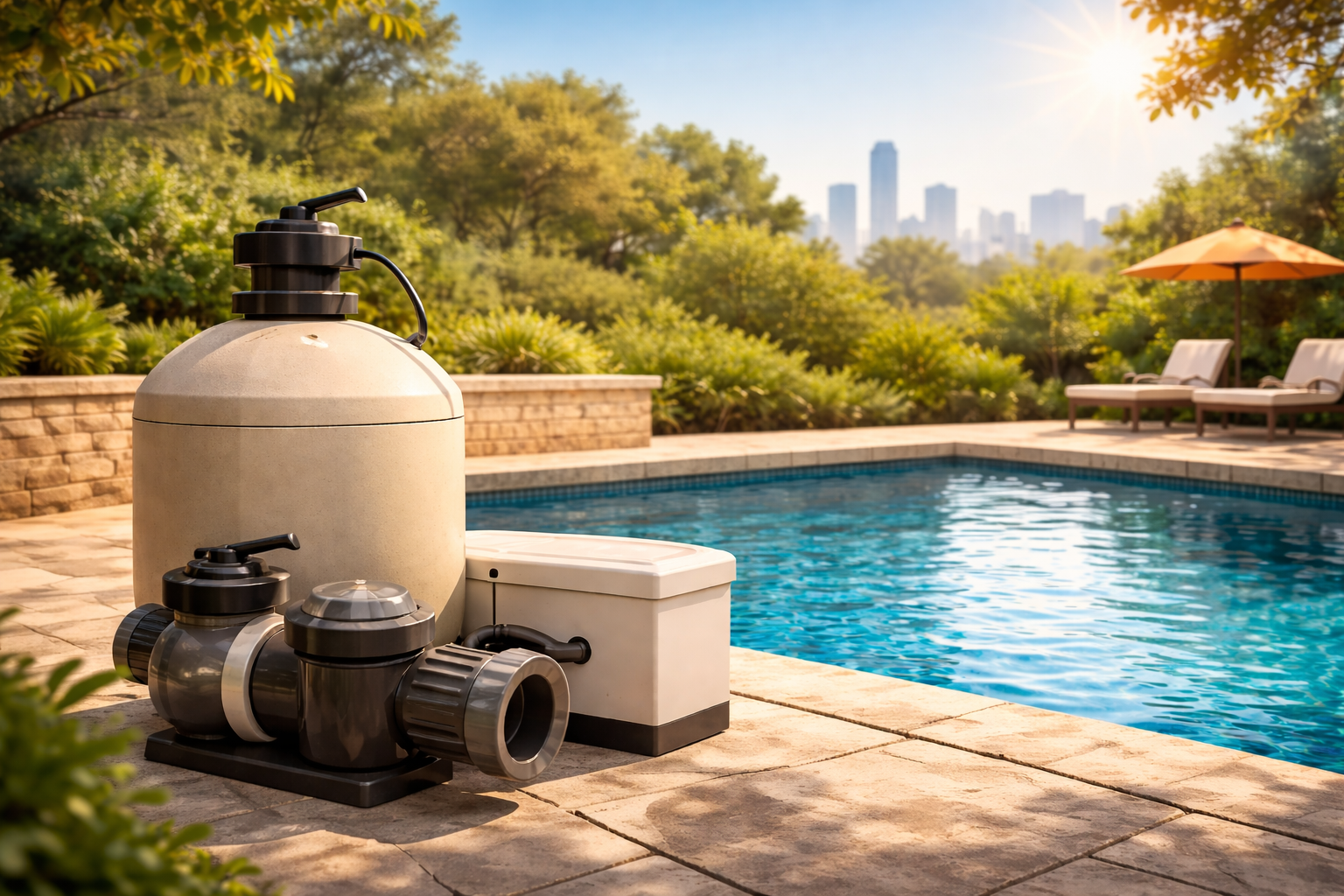
Saltwater pools use a salt chlorine generator (also called a salt cell) that converts dissolved salt into chlorine through electrolysis. You add salt once, and the generator continuously produces chlorine as water passes through. The Pool & Hot Tub Alliance notes this creates a more consistent chlorine level throughout the day.
Chlorine pools require manual dosing with tablets, liquid chlorine, or granules on a regular schedule. You test the water, determine what’s needed, and add chemicals accordingly. This gives you direct control but demands more frequent attention.
A common misconception: saltwater pools aren’t chlorine-free. They simply make their own chlorine on-site rather than requiring you to purchase and add it.
Maintenance Requirements in Texas Heat
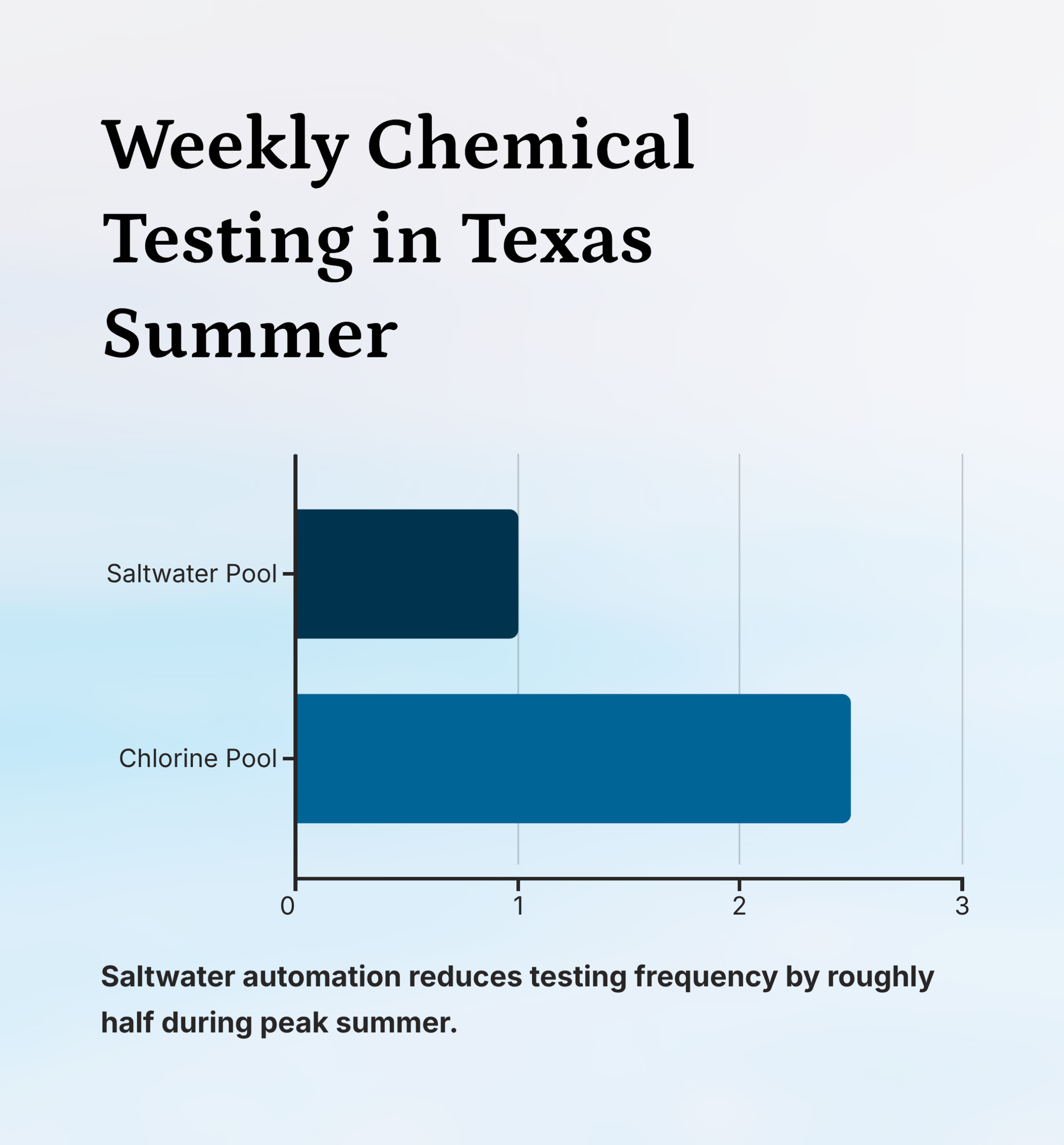
Texas summers create unique challenges for pool owners. For chlorine pools, it is recommended to do two to three weekly chemical tests, while saltwater pools are recommended to do only one weekly chemical test.
Our intense UV rays and triple-digit temperatures cause chlorine to degrade faster than in cooler climates. This affects how much work each pool type requires.
What Saltwater Pool Maintenance Looks Like
The salt cell handles chlorine production automatically, which reduces your weekly workload. Typical maintenance includes:
- Testing salt and chlorine levels once per week
- Cleaning the salt cell every 3-4 months (acid washing to remove calcium scale)
- Adding salt when water is lost to evaporation or splash-out
- Balancing pH and alkalinity as needed
One Texas pool installer notes that saltwater pools “require less day-to-day maintenance” because the system maintains chlorine levels continuously. This is especially helpful during peak summer when chlorine would otherwise need daily monitoring.
What Chlorine Pool Maintenance Looks Like
Traditional chlorine pools demand more frequent chemical handling. In Texas heat, chlorine breaks down quickly, so you’re often testing and adjusting multiple times per week. Routine tasks include:
- Testing and adjusting chlorine levels 2-3 times weekly during summer
- Adding shock treatments after heavy use or storms
- Monitoring stabilizer (cyanuric acid) to protect chlorine from UV degradation
- Balancing pH, alkalinity, and calcium hardness
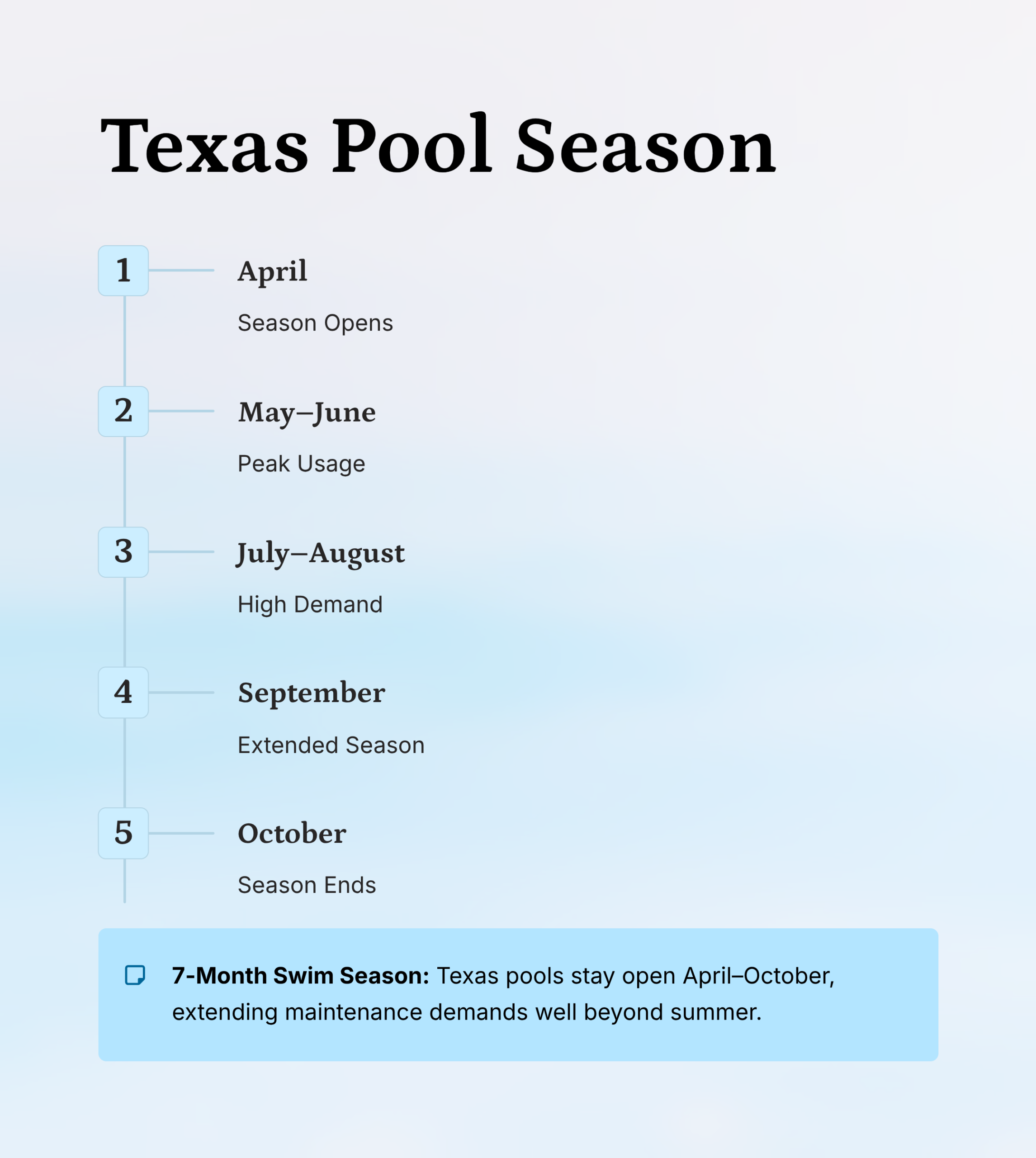
The constant chemical adjustments can become time-consuming, particularly during our extended swim season from April through October.
The Texas Evaporation Factor
Both pool types lose significant water to evaporation in our climate. When you refill a saltwater pool, you need to add more salt. When you refill a chlorine pool, you add more chlorine. Neither system eliminates this ongoing task.
Cost Comparison: Upfront and Ongoing Expenses
The financial picture differs significantly between installation and long-term operation.
Cost Category | Saltwater Pool | Chlorine Pool |
Initial installation | 10-20% higher (salt cell, corrosion-resistant parts) | Lower (standard pump and filter only) |
Annual chemical costs | Lower (salt is inexpensive) | Higher (regular chlorine purchases) |
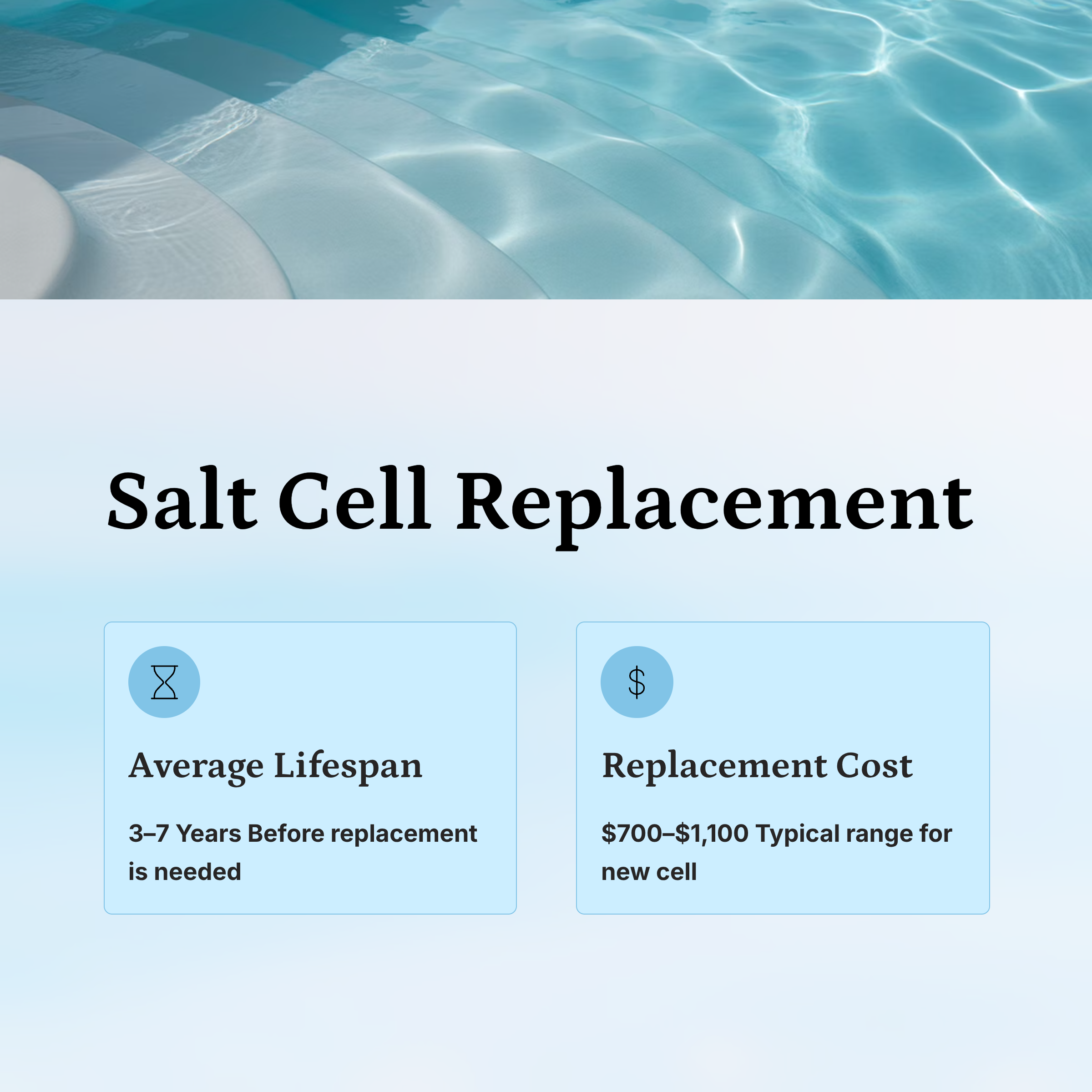
Major equipment replacement | Salt cell every 3-7 years ($700-$1,100) | No equivalent expense |
Energy costs | Slightly higher (generator runs continuously) | Lower (no extra equipment) |
Upfront Costs
Saltwater systems cost more to install because they require a salt chlorine generator, corrosion-resistant fixtures, and sometimes upgraded pool surfaces. The premium typically runs 10-20% above a comparable chlorine pool.
Ongoing Costs
Over time, saltwater pools tend to cost less to operate. Salt is significantly cheaper than liquid chlorine or tablets, and you use fewer supplemental chemicals overall. According to Texas Outdoor Oasis, the reduced need for chemical purchases offsets the higher installation cost within a few years.
The catch: salt cells don’t last forever. Most need replacement every 3-7 years, costing $700-$1,100 depending on the model.
Factor this into your long-term budget.
Water Quality and Swimmer Comfort
This is where many Texas pool owners notice the biggest difference in daily experience.
Skin and Eye Comfort

Saltwater pools generally feel gentler on swimmers. The chlorinator maintains steady, typically lower chlorine concentrations throughout the day. Many people who experience red eyes or dry skin in traditional pools find saltwater more comfortable.
Chlorine pools can cause irritation when levels spike after a fresh dose. The “chlorine smell” that bothers some swimmers is actually chloramines (combined chlorine), which form when chlorine reacts with organic matter. Saltwater systems produce fewer chloramines because they generate fresh chlorine continuously.
Water Feel
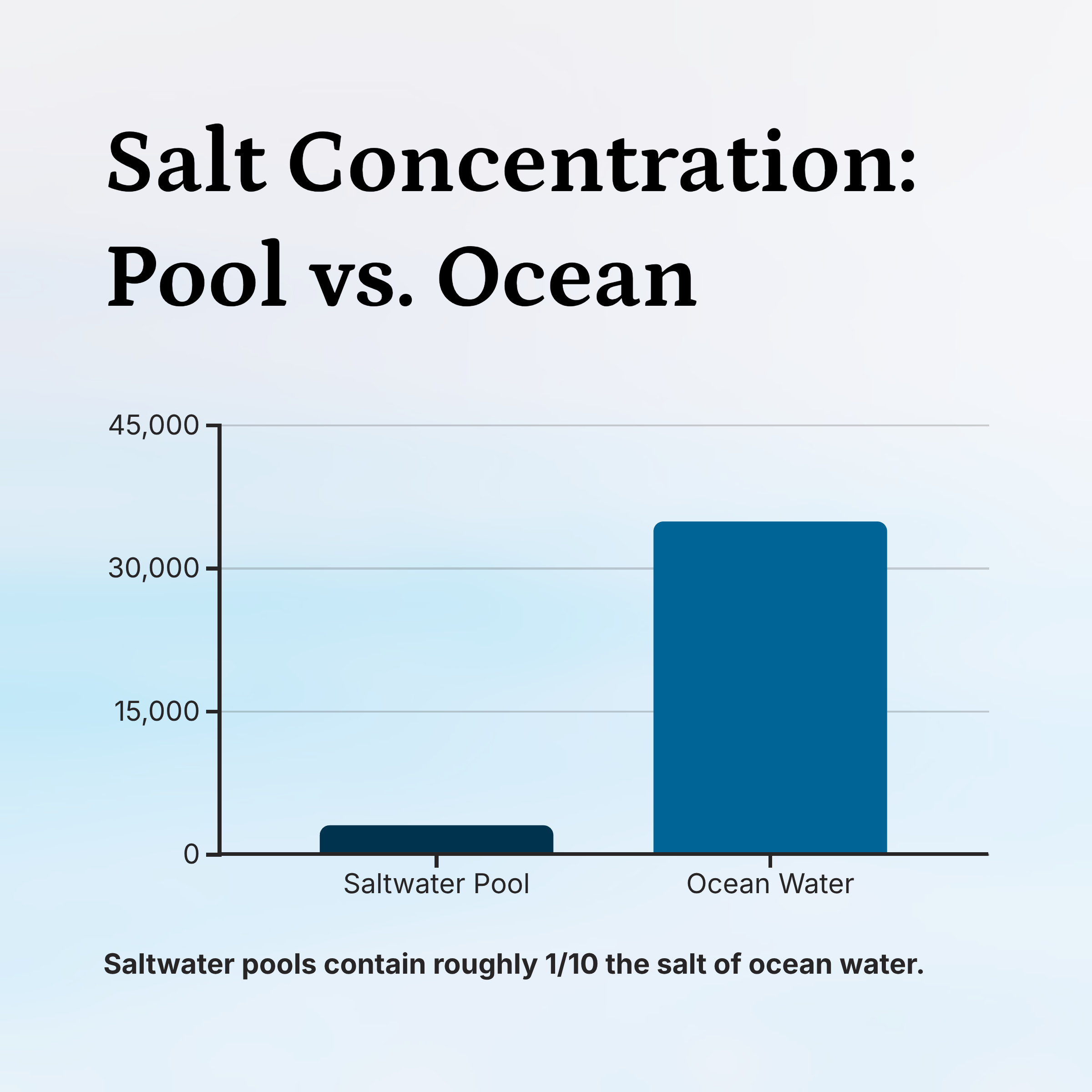
Swimmers often describe saltwater pools as feeling “silkier” or softer. The salt concentration (around 3,000 ppm) is about one-tenth of ocean water, so it’s subtle but noticeable during longer swims.
Equipment and Material Considerations
Saltwater systems require more attention to material compatibility. The dissolved salt can corrode metal fixtures like ladders, rails, and light housings if they’re not specifically rated for saltwater use. Stone coping and certain concrete finishes may also require extra protection.
Chlorine pools don’t have this same corrosion concern. Standard pool fixtures work fine, which simplifies replacement parts and repairs.
For pool maintenance services, this means saltwater pools need technicians who understand both water chemistry and the specific equipment requirements of salt systems.
Which Pool Type Makes Sense for Your Texas Home?
The right choice depends on your priorities and how you plan to use your pool.
Saltwater pools work well if you:
- Want to minimize weekly chemical handling
- Prefer a gentler swimming experience
- Plan to keep the pool for 10+ years (to recoup higher upfront costs)
- Don’t mind the periodic salt cell replacement expense
Chlorine pools work well if you:
- Want lower installation costs
- Prefer direct control over chemical additions
- Have standard metal fixtures you want to keep using
- Are comfortable with more frequent chemical testing and additions
Neither system eliminates the need for regular maintenance. Both require weekly testing, filter cleaning, and water balancing to stay safe and clear. The difference is how much of that work happens automatically versus manually.
Making Either System Work in Texas
Regardless of which sanitization method you choose, Texas pools need consistent care. Our long summers, intense sun, and high evaporation rates mean you can’t skip maintenance for long without consequences.
The pools that stay crystal clear year-round share common traits: regular testing, proper chemical balance, clean filters, and prompt attention to equipment issues. Whether that chlorine comes from a salt cell or a jug, the fundamentals of pool cleaning remain the same.
At Bluewater Pools, we service both saltwater and chlorine pools throughout San Antonio and Austin. Our CPO-certified technicians understand the science behind water chemistry and how Texas conditions affect each system. If you’re tired of guessing at chemicals or want professional eyes on your pool’s equipment, we’d be happy to take a look.
Ready for pool care you don’t have to think about? Contact us at 512-886-7665 or info@bluepoolwater.com to schedule an assessment.