How Often Should You Clean Your Pool? Expert Pool Care Guide
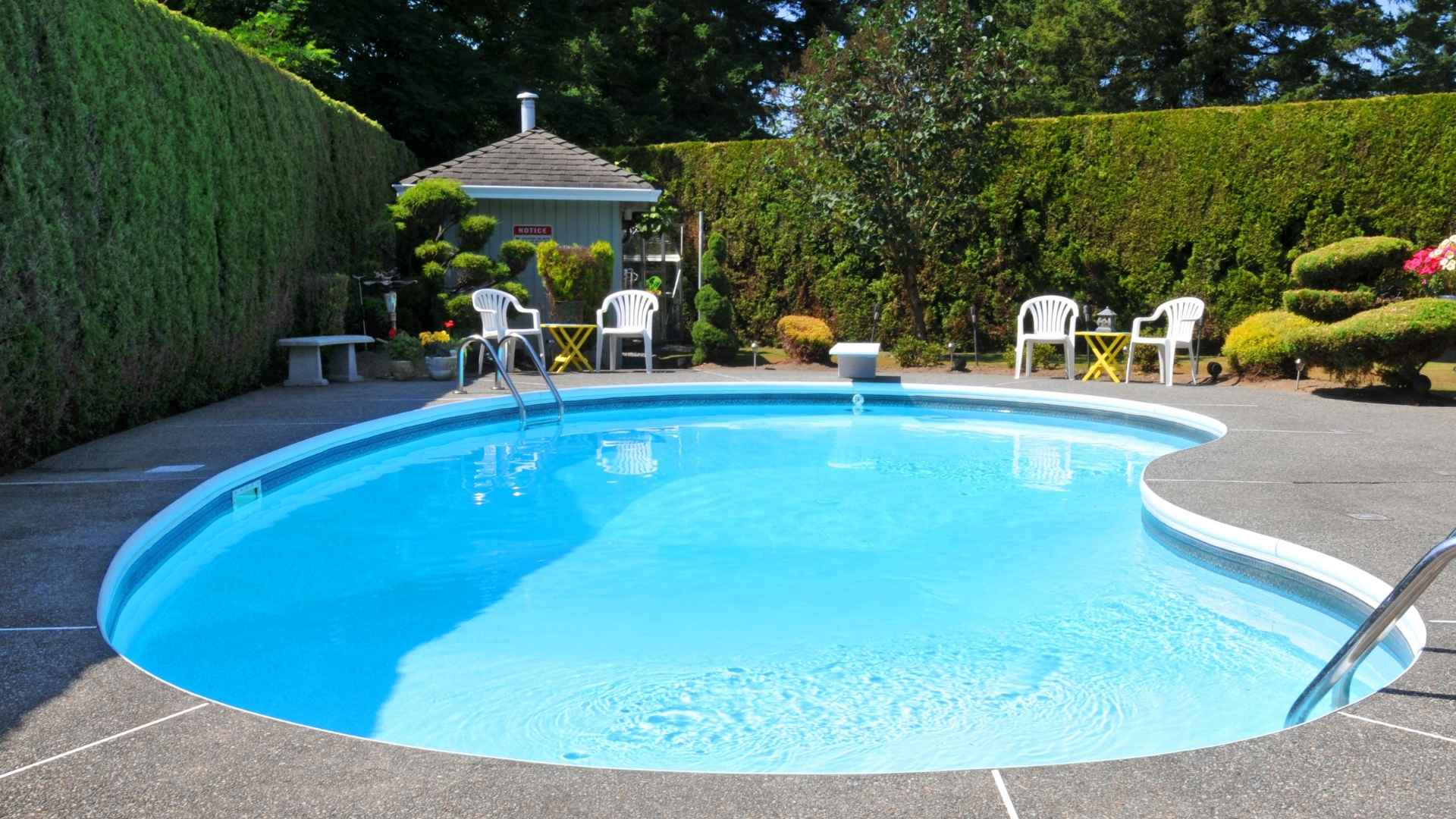
Pool cleaning frequency depends on several factors, but weekly cleaning is the industry standard. Most pools require thorough cleaning at least once per week, combined with daily skimming and monthly deep maintenance. In Texas, where heat and sun exposure accelerate water deterioration, weekly professional service becomes even more critical for maintaining safe, crystal-clear water.
The answer isn’t just about appearance—it’s about safety. Neglected pools can harbor dangerous bacteria like Cryptosporidium and Giardia, putting swimmers at risk. As certified pool operators, we’ve seen firsthand how proper cleaning schedules prevent costly repairs and health hazards.
Weekly Pool Cleaning: The Gold Standard
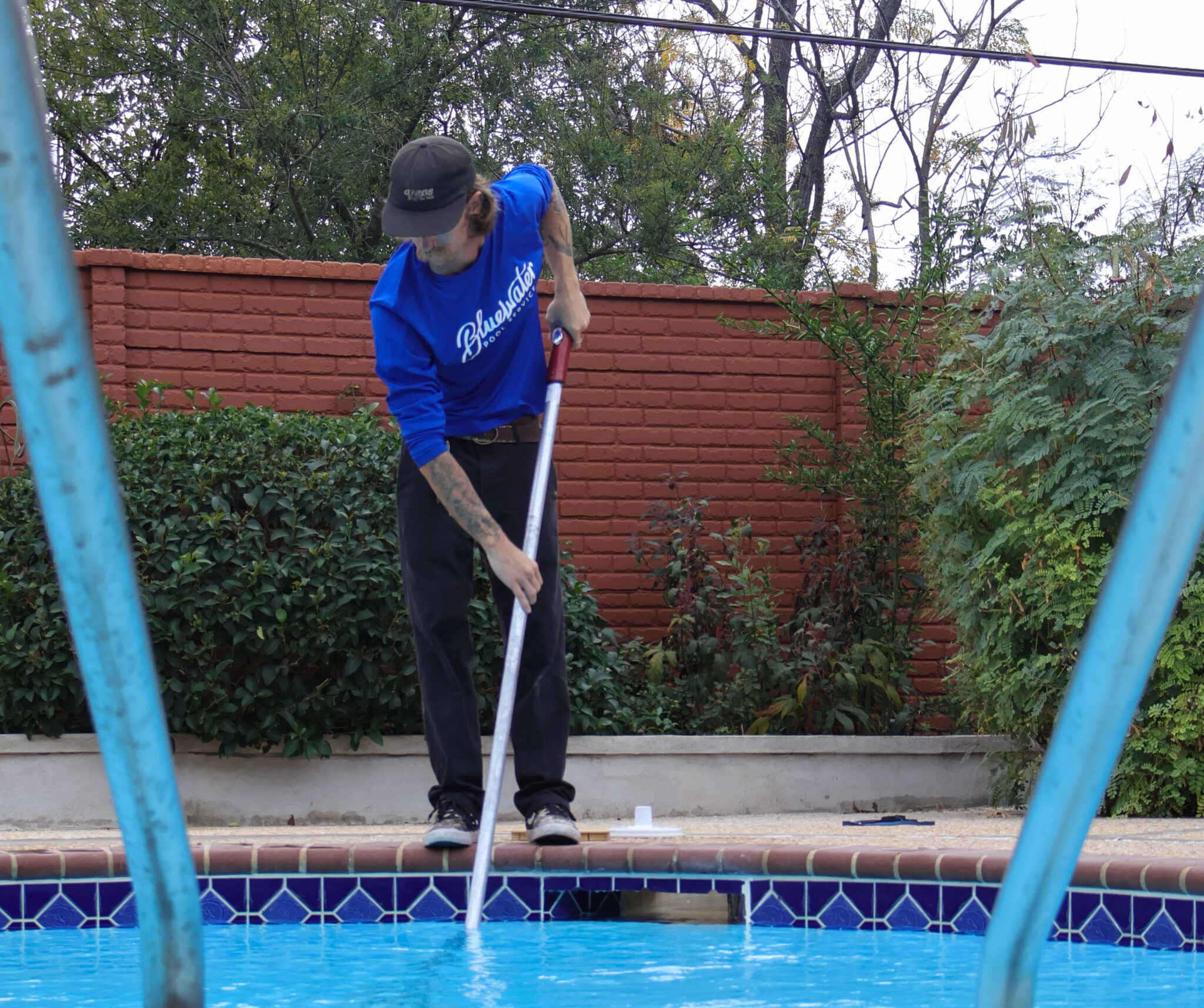
Weekly cleaning forms the foundation of proper pool maintenance. Pool industry experts universally recommend this frequency as the minimum for most residential pools.
Your weekly cleaning should include:
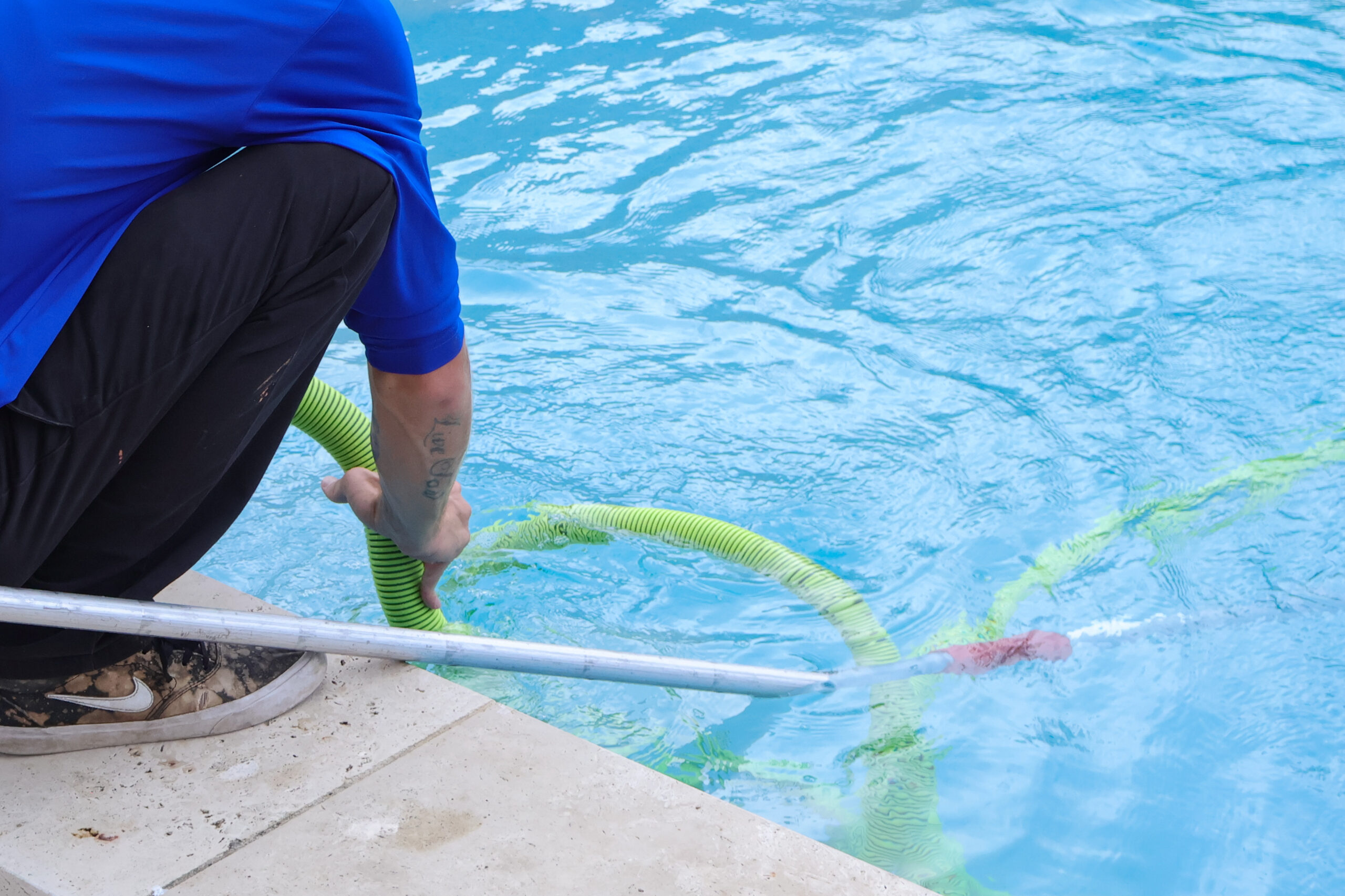
- Vacuuming the pool floor to remove settled debris and dirt
- Brushing walls, steps, and ladders to prevent algae buildup
- Emptying skimmer and pump baskets to maintain proper circulation
- Testing and balancing water chemistry to ensure safe swimming conditions
- Cleaning the waterline and tiles to prevent staining and buildup
Pool industry experts note that walls, ladders, and steps should be brushed “at least once a week” to prevent algae establishment. This weekly routine prevents small problems from becoming expensive headaches.
Daily Pool Maintenance Tasks
Between professional visits, daily maintenance keeps your pool healthy. These quick tasks take just 5-10 minutes but make a significant difference.
Essential daily tasks:
- Skim surface debris using a net to remove leaves, insects, and floating particles
- Empty skimmer baskets if they’re full (especially after storms or windy days)
- Check water level and add water if needed
- Visual inspection for any obvious problems, like equipment issues or water discoloration
Pool maintenance experts recommend daily surface skimming and skimmer-basket cleaning to reduce strain on pumps and filters. This simple routine prevents debris from sinking to the bottom, making weekly cleaning more effective.
Monthly Deep Cleaning Requirements
Monthly maintenance addresses what weekly cleaning can’t handle. These intensive tasks keep your pool equipment running efficiently and extend its lifespan.
| Task | Frequency | Purpose |
| Filter cleaning/backwashing | Monthly | Maintain filtration efficiency |
| Deep tile scrubbing | Monthly | Remove calcium buildup and stains |
| Equipment inspection | Monthly | Prevent major breakdowns |
| Comprehensive water testing | Monthly | Check for mineral imbalances |
Industry professionals recommend inspecting pumps and backwashing filters monthly to maintain optimal performance. This proactive approach prevents the equipment failures we commonly see during peak swimming season.
Factors That Affect Cleaning Frequency
Your pool’s specific needs may require adjustments to the standard schedule. Understanding these factors helps you maintain optimal water quality year-round.
Environmental factors:
- Surrounding vegetation – Pools near trees need more frequent debris removal
- Weather patterns – Storms and high winds increase cleaning needs
- Sun exposure – More sunlight accelerates algae growth and chemical depletion
Usage patterns:
- Swimmer load – More swimmers means more frequent cleaning
- Pool parties – Heavy use requires immediate post-event cleaning
- Pet access – Animals introduce additional contaminants
Pool characteristics:
- Pool size – Larger pools may need longer cleaning sessions
- Equipment age – Older systems may require more frequent attention
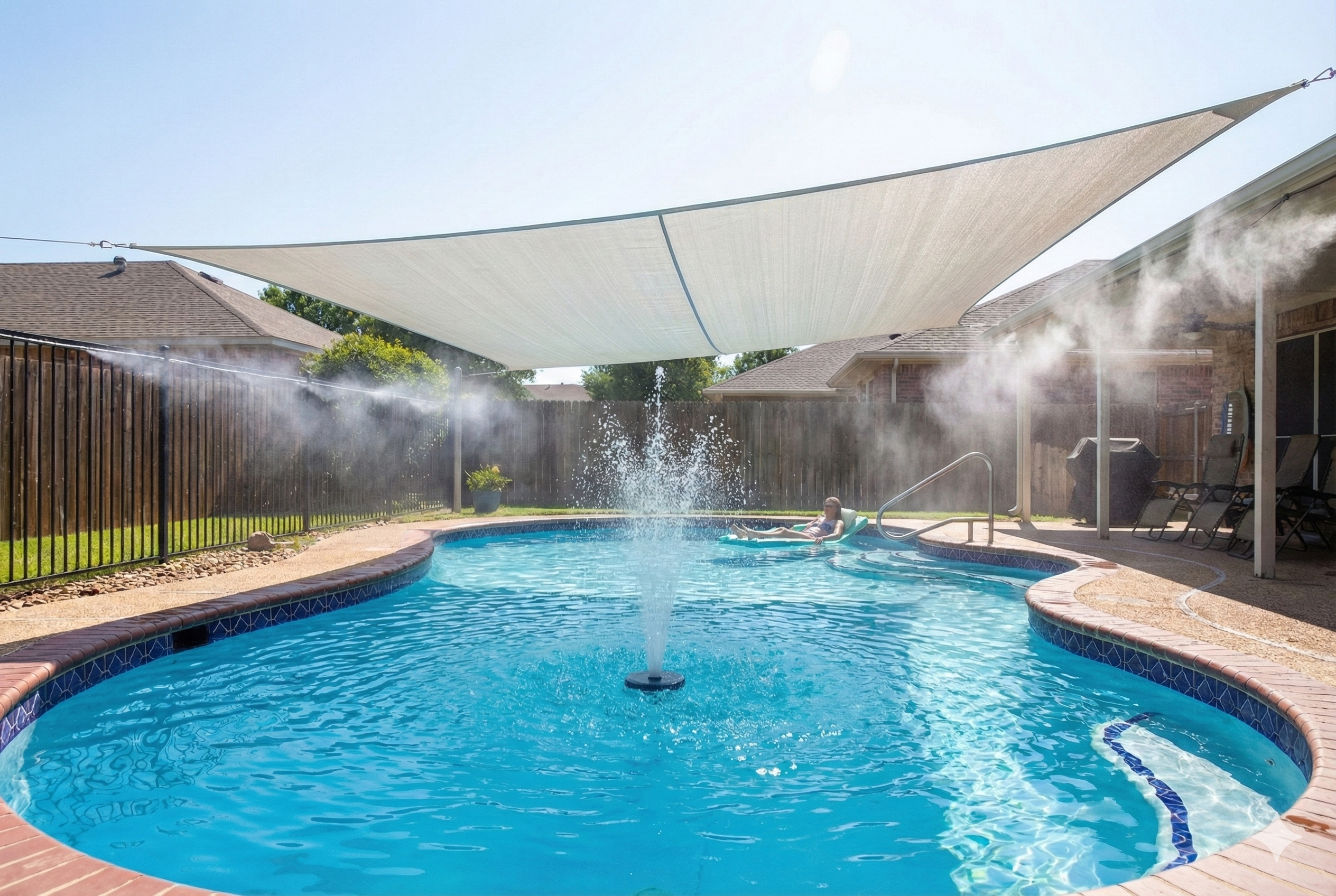
- Water features – Fountains and waterfalls need additional maintenance
Signs Your Pool Needs More Frequent Cleaning
Don’t wait for obvious problems to adjust your cleaning schedule. These warning signs indicate you need professional intervention:
- Cloudy or hazy water that doesn’t clear within 24 hours
- Visible algae growth on walls or floating in water
- Strong chemical odors indicating imbalanced water chemistry
- Persistent debris that returns quickly after cleaning
- Equipment problems like reduced water flow or unusual noises
Pool maintenance experts note that signs like cloudy water, visible algae, or recent storms indicate “more frequent cleaning” may be needed. Acting quickly prevents minor issues from becoming major problems.
Professional vs. DIY Pool Cleaning
Professional pool service offers advantages beyond convenience. While homeowners can handle basic maintenance, certified professionals bring expertise that makes a real difference.
Professional advantages:
- CPO certification ensures proper chemical handling and water balancing
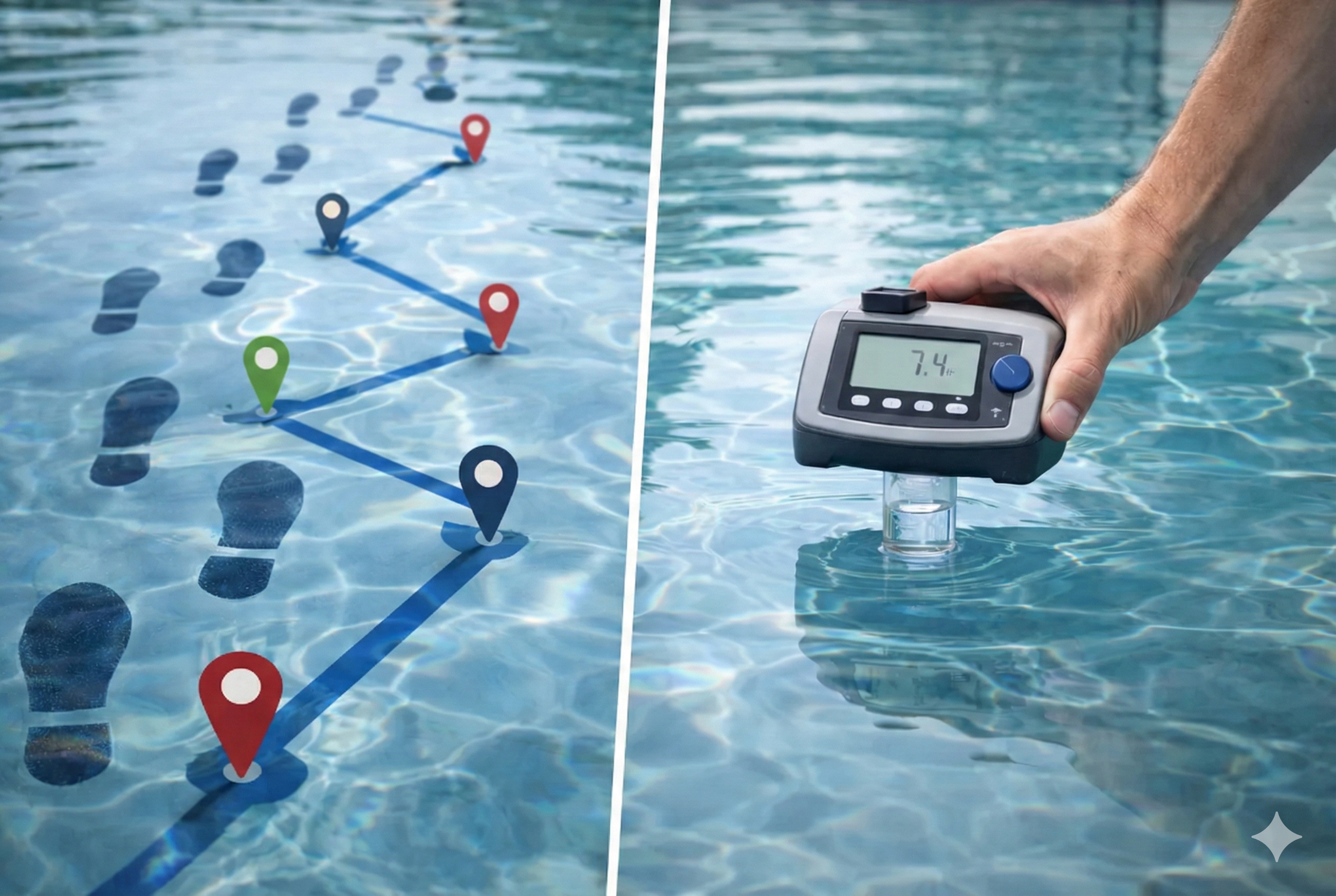
- Specialized equipment like computerized testing devices, for comprehensive analysis
- Problem diagnosis before issues become expensive repairs
- Consistent scheduling regardless of your availability
- Insurance coverage for any service-related issues
DIY considerations:
- Time commitment – Weekly cleaning takes 2-3 hours for most pools
- Equipment costs – Professional-grade tools require a significant investment
- Chemical knowledge – Improper balancing can damage equipment or create safety hazards
- Seasonal adjustments – Different maintenance needs throughout the year
Our pool cleaning services include comprehensive water chemistry testing that goes beyond basic pH and chlorine levels. This scientific approach prevents the water quality issues we see in self-maintained pools.
Texas Climate Considerations
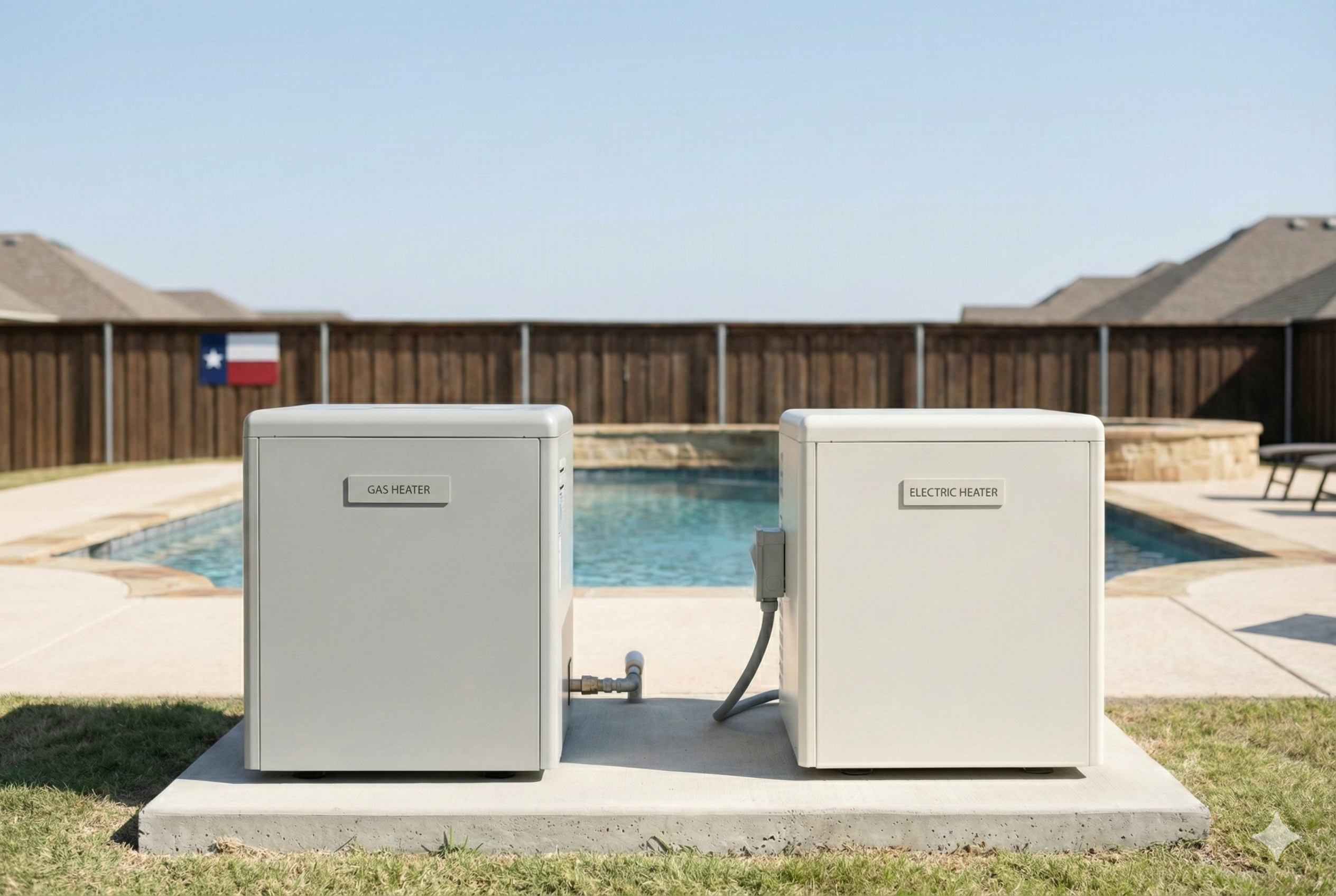
Texas weather creates unique pool maintenance challenges. The intense sun, heat, and occasional severe storms require adjusted cleaning schedules for optimal results.
Heat and sun effects:
- Accelerated evaporation concentrates chemicals and minerals
- Increased bather load during extended swimming seasons
- UV degradation of chlorine requiring more frequent chemical additions
- Algae growth thrives in warm, sunny conditions
Seasonal storm impacts:
- Heavy debris from wind and rain
- Diluted chemicals from rainwater influx
- Equipment stress from extreme weather
- Contamination risks from runoff and flooding
In San Antonio and Austin, we recommend weekly professional service year-round due to these climate factors. Our pool services in San Antonio and Austin account for these regional challenges.
The Cost of Neglecting Regular Pool Cleaning
Skipping regular maintenance creates expensive problems. The money saved on cleaning services quickly disappears when major issues develop.
Common expensive repairs from neglect:
- Pump replacement from debris damage
- Filter system overhaul from chemical imbalance
- Surface refinishing from algae staining
- Equipment replacement from neglect-related failures
Pool care professionals warn that contaminated water containing bacteria like Cryptosporidium or Giardia can develop if pools are neglected. These health risks far outweigh any maintenance costs.
Beyond equipment damage, neglected pools can require green pool cleaning services to restore water quality, prevention through regular maintenance costs significantly less than emergency restoration.
Professional Pool Care You Can Trust
Maintaining proper pool cleaning frequency requires expertise, consistency, and the right equipment. At Bluewater Pools, our CPO-certified technicians understand the science behind water chemistry and proper pool care. We provide weekly service that includes everything from vacuuming and chemical balancing to equipment inspection and maintenance.
Ready to enjoy crystal-clear water without the work? Contact Bluewater Pools at (512) 886-7665 or visit bluepoolwater.com to schedule your comprehensive pool service assessment. Your pool deserves professional care from San Antonio and Austin’s trusted pool cleaning experts.